Let us guide you
Information for ...


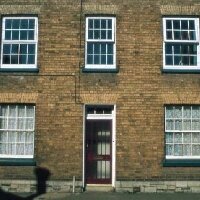
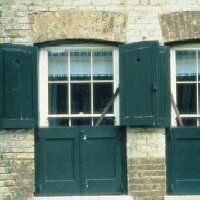
English Heritage supports the Government’s aims to improve energy efficiency, provided that the application of the new Part L is exercised in a way that does not harm the special interest of historic buildings. A sensible and reasonable approach should achieve improvements in most cases, although not always to the standards recommended in the Approved Document.
The new Part L makes it clear that the special characteristics of a historic building must be recognised. The aim of this revised part of the Building Regulations is to improve energy efficiency where practically possible, provided that this does not harm the character of the building or increase the risk of long-term deterioration to fabric or fittings.
The special interest of a historic building would be compromised if its overall appearance were to be changed or significant features or qualities were to be lost as a result of compliance with the Requirements of the new Part L. To avert a threat of this kind, a number of questions need to be considered. Could improvements be made without the need to remove or substantially alter fabric? For example, could existing windows be repaired and draughtproofed as an alternative to inserting new double glazing? Could secondary glazing be inserted? If improvements to the existing windows are not practicable, could benign improvements be made elsewhere, for example by insulating under floors or by improving the efficiency of the heating system? An understanding of what constitutes the special interest of a historic building requires experience.
Early consultation with a conservation officer is therefore strongly recommended.