Let us guide you
Information for ...


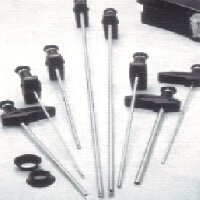
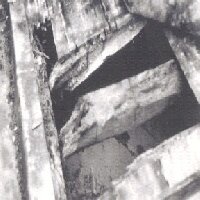
The repair or alteration of a historic building is a serious matter and it needs to be planned carefully to ensure the right results. Before beginning work on a historic building, a prudent owner and his or her professional advisors will normally want to reduce the risk of extra unforeseen works becoming necessary. The more unknown problems hidden in a building, the more costs are likely to escalate as an inadequate initial specification and contract will result in the need for additional work. Decisions about the repair or alteration of an old building should be based on an understanding of its original form and construction techniques, and on each stage in its subsequent evolution. Many apparent building defects originate from the effect of modification to the original structure. Knowledge of the form of construction, the condition, and the construction history of a building can reduce uncertainty about the extent of any necessary repairs. Proposals can then be made and costings prepared with greater confidence.
This leaflet gives guidance to owners, their professional advisors, and local authorities on the practice of opening-up, and other forms of investigative work used when planning repairs of historic buildings.