Let us guide you
Information for ...


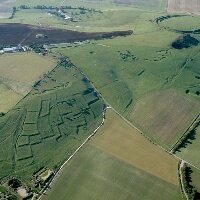
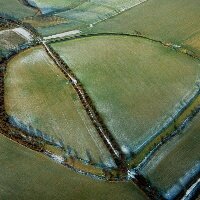
Farmers are the principal stewards of our rural heritage. Together, farmers in England own well over half a million traditional buildings (including some 60,000 listed structures), thousands of miles of traditional boundaries, countless historic features and the great majority of archaeological sites. Farmers are of central importance in managing the historic landscape.
However, the pressures on the historic character of today’s countryside are greater than ever before. As agriculture has intensified and restructured, many historic sites in the countryside have been damaged or destroyed. Traditional farm buildings, historic field boundaries and ancient field patterns have become less relevant to modern farming operations. Many have been lost or neglected and distinctive features, such as parkland and field trees, are in decline. Arable cultivation is causing particular damage. The increasing power of farm machinery and more intensive tillage practices mean that archaeological sites that have survived for many centuries can be destroyed in only a few short hours.
Recent changes in attitudes to agriculture now provide an unparalleled opportunity to prevent further loss. Conservation of the heritage is increasingly being recognised as an integral part of the drive towards a more sustainable farming industry. Changes in the subsidy regime and in rural development grant-aid programmes now offer important new opportunities to maintain and enhance the historic aspects of the farmed landscape.
With sound advice, Farmers can play a vital role in ensuring our historic places are passed down to future generations.
Further information and downloadable Farming the Historic Landscape publications are available from the links in the Further Reading and PDF Version sections of this page.