Let us guide you
Information for ...


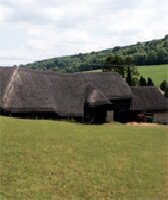
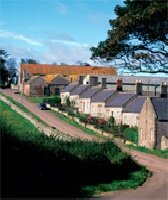
The overall aim of the Historic Farmsteads: Preliminary Characterisation project is to produce a web-based Preliminary Regional Character Statement for each of the eight government regions outside London in order to support the national policy statement Living buildings in a living landscape: finding a future for traditional farm buildings.
The objectives of the Historic Farmsteads: Preliminary Characterisation project are to:
A Preliminary Regional Character Statement has been produced for each of the 8 government regions.
The aim of the statements is to promote better and more accessible understanding of the character of farm buildings. The statements provide an information base for a broad diversity of users with an interest in researching, understanding and managing historic farmsteads. The statements have been written as a sourced synthesis of information, drawing together information that will enable the farmsteads of each region to be better understood within the national context of farmstead and agricultural development, and their surrounding fields and settlements. They are consultation documents and readers are invited to submit their comments.
Each statement is divided into 10 sections:
 Historic Farmsteads: Preliminary Character Statement - East Midlands region part 1 (2991 Kb)Historic Farmsteads: Preliminary Character Statement - East Midlands region part 2 (3262 Kb)Historic Farmsteads: Preliminary Character Statement - East Midlands region part 3 (2831 Kb)Historic Farmsteads: Preliminary Character Statement - East of England region part 1 (3637 Kb)Historic Farmsteads: Preliminary Character Statement - East of England region part 2 (3459 Kb)Historic Farmsteads: Preliminary Character Statement - East of England region part 3 (2980 Kb)Historic Farmsteads: Preliminary Character Statement - North East region part 1 (3126 Kb)Historic Farmsteads: Preliminary Character Statement - North East region part 2 (3392 Kb)Historic Farmsteads: Preliminary Character Statement - North East region part 3 (3270 Kb)Historic Farmsteads: Preliminary Character Statement - North West region part 1 (3575 Kb)Historic Farmsteads: Preliminary Character Statement - North West region part 2 (3915 Kb)Historic Farmsteads: Preliminary Character Statement - North West region part 3 (4109 Kb)Historic Farmsteads: Preliminary Character Statement - South East region part 1 (3446 Kb)Historic Farmsteads: Preliminary Character Statement - South East region part 2 (3441 Kb)Historic Farmsteads: Preliminary Character Statement - South East region part 3 (3092 Kb)Historic Farmsteads: Preliminary Character Statement - South West region part 1 (3120 Kb)Historic Farmsteads: Preliminary Character Statement - South West region part 2 (3541 Kb)Historic Farmsteads: Preliminary Character Statement - South West region part 3 (2817 Kb)Historic Farmsteads: Preliminary Character Statement - West Midlands region part 1 (3455 Kb)Historic Farmsteads: Preliminary Character Statement - West Midlands region part 2 (4472 Kb)Historic Farmsteads: Preliminary Character Statement - West Midlands region part 3 (3797 Kb)Historic Farmsteads: Preliminary Character Statement - Yorkshire and the Humber region part 1 (3429 Kb)Historic Farmsteads: Preliminary Character Statement - Yorkshire and the Humber region part 2 (3676 Kb)Historic Farmsteads: Preliminary Character Statement - Yorkshire and the Humber region part 3 (3621 Kb)