Caring for Archaeological Sites on Grassland
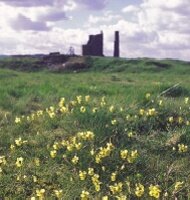
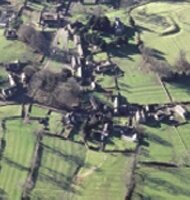
Grassland management has ensured that many archaeological sites have survived to the present day in far better condition than their counterparts in cultivated land. This is particularly true for areas of unimproved permanent grazing land, where some of the nation’s best-preserved archaeological sites survive often as visible ‘humps and bumps’ or, as they are more properly termed, earthworks. Maintaining these sites in grassland is the best form of management, ensuring their long-term preservation and visibility.
This document provides guidance to farmers on how to find out more about the presence of archaeological sites on their holdings, factors to consider in better managing these features, and how to avoid damage. It ends by summarising sources for grant aid and further advice.
What's New?
-
The National Planning Policy Framework was published on 27 March 2012, replacing all the previous Planning Policy Statements, including PPS 5, as well as various other planning guidance. Its central theme is the ‘presumption in favour of sustainable development’, set out in twelve core land-use planning principles which underpin both plan-making and decision-taking.
-
These events are aimed at local authority staff (such as archaeological and conservation officers), elected members of local authorities and parish councils, member organisations of Community Safety Partnerships, community groups and voluntary organisations working within the heritage sector and wanting to learn more about the Heritage Crime Programme and Alliance to Reduce Crime against Heritage.
-
Free half day sessions will provide an opportunity to discuss English Heritage's interpretation of the NPPF in order to promote understanding of NPPF, its implications for the management of heritage assets, and its use in plan and decision-making. The session will explore the language and terminology used in NPPF and how this differs from the PPS5.