Entry Level Stewardship

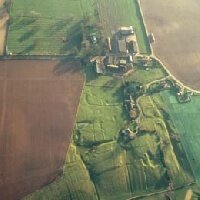
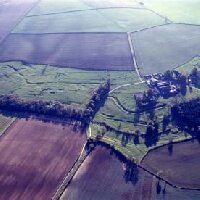
Medieval earthworks at North Elkington, Lincolnshire. NMR 12435/25. Medieval earthworks at North Elkington, Lincolnshire. NMR 12435/25.
Arable cultivation is the principal threat to many archaeological sites. Arable cultivation is the principal threat to many archaeological sites.

As agriculture has intensified and farm machinery become more powerful, many historic sites and buildings have been damaged or destroyed. Traditional field boundaries and field patterns have often become less relevant to modern farming operations. Many have been lost or neglected and distinctive features, such as parkland and field trees, have declined. Nevertheless, these features are still fundamental to the character of the countryside and to its appeal to residents and visitors alike.

Entry Level and Organic Entry Level Environmental Stewardship provide an opportunity to conserve the heritage and character of your farm for future generations.

The Entry Levels of Environmental Stewardship now mean that conserving the historic character of your farm for future generations can more readily be part of the overall stewardship of your land. This leaflet is designed to be read alongside Defra’s Entry Level Stewardship and Organic Entry Level Scheme handbooks which provide a full list of the options designed to protect historic features, but it also provides advice on how to find out more about heritage on farm holdings, and where to get more information on their management.

What's New?

  • The National Planning Policy Framework was published on 27 March 2012, replacing all the previous Planning Policy Statements, including PPS 5, as well as various other planning guidance. Its central theme is the ‘presumption in favour of sustainable development’, set out in twelve core land-use planning principles which underpin both plan-making and decision-taking.
  • These events are aimed at local authority staff (such as archaeological and conservation officers), elected members of local authorities and parish councils, member organisations of Community Safety Partnerships, community groups and voluntary organisations working within the heritage sector and wanting to learn more about the Heritage Crime Programme and Alliance to Reduce Crime against Heritage.
  • Free half day sessions will provide an opportunity to discuss English Heritage's interpretation of the NPPF in order to promote understanding of NPPF, its implications for the management of heritage assets, and its use in plan and decision-making. The session will explore the language and terminology used in NPPF and how this differs from the PPS5.