Let us guide you
Information for ...


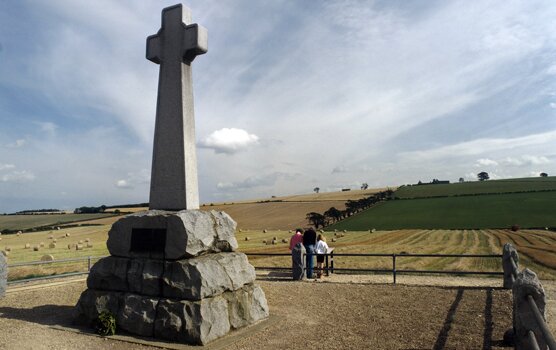
From Stonehenge to the mills of the Industrial Revolution, and from Norman castles to the site of the first TV transmission: in each generation, a number of exceptional places mark and celebrate human achievement, define an era, mark an important struggle or push new ideas to the limit.. Huge value is placed on the historic environment and the way in which it can educate and enrich quality of life. English Heritage seeks to promote the understanding and enjoyment of our historic environment in order to ensure it continues to be valued and cared for.
This country’s system for heritage protection has two essential parts:
English Heritage, along with local authorities, has a statutory duty to protect the best examples of our nation’s varied historic environment.
English Heritage identifies heritage assets which have significance due to their historic, archaeological, architectural or artistic interest, through listing (built structures), scheduling (archaeology) or registration (parks, gardens battlefields and historic shipwrecks). English Heritage and local authorities work together to help manage the historic environment in the best way possible.
Local authorities play an important role in heritage protection and are responsible for the conservation of 95% of the historic environment (working in partnership with English Heritage on the conservation of Scheduled Monuments and Grade 1 and 2* Listed Buildings). Local Authorities also have the power to designate conservation areas in any area of 'special architectural or historic interest'. All Local Planning Authorities are required to have access to conservation and design skills.
Since 2000, Government has been commited to reforming the way in which we protect our historic environment to make the system simpler, more transparent and fit for the 21st century. English Heritage, as one of the key partners of this process, has been working with local authorities to improve the way the historic environment is looked after and identified. More information about the Heritage Protection Reform progamme is available from the English Heritage website.