Biomass Energy and the Historic Environment

Miscanthus crop The impact of energy crop plantations on the setting of historic sites, buildings and landscapes should always be considered. Miscanthus crop with Church of St. Andrew, Sutton in the Isle, Cambridgeshire in the background.
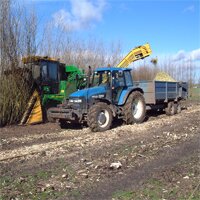
Harvesting of Willow Short Rotation Coppice Harvesting of Willow Short Rotation Coppice at the end of second three-year rotation © Forest Research

Biomass energy and the historic environment (December 2006) is a guidance document intended for developers of biomass energy projects which may affect any of these aspects of the historic environment. It is also aimed at those, including local authority planners and their historic environment advisers, involved in strategic planning for renewable energy, in the determination of project specific applications, and in the grant-aiding of new projects.

This document sets out English Heritage policy on renewable energy and the historic environment.  English Heritage believes a pro-active and strategic approach to the land-use planning system will maximise the benefits of renewable energy projects, while minimising their adverse effects on the historic environment. This should be achieved by: considering the cumulative effects of projects as well as their specific impacts; by ensuring that the implications of renewable energy developments are adequately reflected in national, regional and local planning policy and at all stages of the environmental impact assessment process.

We also believe that high quality design should play a key role in minimising any adverse effects of projects.  Fundamental to achieving high quality design will be a sound understanding of the character and importance of the historic asset involved, whether at the scale of individual buildings and sites or more extensive historic areas and landscapes.

Biomass energy and the historic environment also covers the following areas:

  • Introduction to biomass technology and energy crops
  • Summary of the planning framework for renewable energy
  • Energy crops and environmental impact assessment
  • Energy crops and the potential impact on archaeological sites
  • Energy crops and the potential impact on the setting of historic sites
  • List of references and key sources

Biomass energy and the historic environment: English Heritage recommendations on best practice

  • The implications for the historic environment of biomass energy developments should be reflected in Regional Spatial Strategies, Local Development Frameworks and Supplementary Planning Documents
  • The effects of biomass energy programmes and projects on the historic environment should be evaluated in all levels of environmental impact assessment
  • Consideration of the historic environment should include World Heritage Sites; marine, coastal and terrestrial archaeology; historic buildings and areas; designed landscapes; and the historic character of the wider landscape
  • The significance of internationally and nationally designated sites should be safeguarded and physical damage to other historic sites should be avoided
  • The impact of biomass energy projects on the setting and visual amenity of historic places and landscapes should also be considered
  • Where biomass energy developments affect historic sites, national planning policies on the historic environment should be taken into account
  • Local Authority Historic Environment Records should be consulted at an early stage in project planning.

Alongside this guidance on biomass energy, English Heritage has also produced guidance on climate change, and other renewable energy technologies, and the historic environment.

What's New

  • Tuesday 3 February 2009 - LGA/English Heritage Conference - Local Government House, London SW1. How can we make the most of the forthcoming heritage protection reforms, - although the Heritage Protection Bill was not included in the Queen’s Speech, a raft of changes which do not require legislative change are currently underway – new planning policy statements, and related guidance?
  • English Heritage, which launched the Save our Streets campaign in 2004, has now published the best “how to” examples from around the country in ten Streets for All: Practical Case Studies. These showcase examples of councils who have taken the initiative to deal with a particular aspect of street clutter.