The Park Keeper

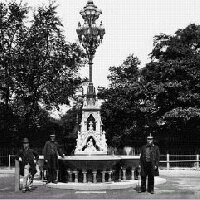
Royal Parks Police at Coutt’s drinking fountain, Regent’s Park, London, c1870–1900. Royal Parks Police at Coutt’s drinking fountain, Regent’s Park, London, c1870–1900.
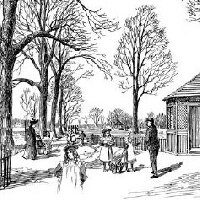
The archetypal park keeper, from an early 20th-century view of Eastville Park, Bristol. The archetypal park keeper, from an early 20th-century view of Eastville Park, Bristol.

CABE ’s report - Parks Need Parkforce (2005) - argues that a return to the days of on-site staff is essential to maintain and accelerate the remarkable revival seen in many neighbourhood parks over the last 10 years.

In response to interest in demise of the parkie, English Heritage published The Park Keeper in 2005 as a briefing for local authority elected members, officers, and others. The 20 page booklet charts the emergence of this new modern ‘parkforce’, made up of wardens, rangers, youth workers, volunteers and environmentalists that are bringing about a revival of England’s parks. Combining the knowledge and pride of the traditional parkie with a wide range of new skills, (such as fundraising, community policing and environmental skills) the new ‘parkforce’ can reduce cultural and racial tensions, cut incidents of anti-social behaviour and vandalism and empower communities to become more involved in their own green spaces.

What's New

  • Tuesday 3 February 2009 - LGA/English Heritage Conference - Local Government House, London SW1. How can we make the most of the forthcoming heritage protection reforms, - although the Heritage Protection Bill was not included in the Queen’s Speech, a raft of changes which do not require legislative change are currently underway – new planning policy statements, and related guidance?
  • English Heritage, which launched the Save our Streets campaign in 2004, has now published the best “how to” examples from around the country in ten Streets for All: Practical Case Studies. These showcase examples of councils who have taken the initiative to deal with a particular aspect of street clutter.