Let us guide you
Information for ...


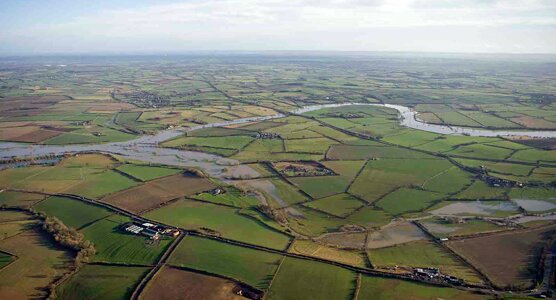
The European Landscape Convention (the ‘ELC’, the Florence Convention) has been ratified by 30 European countries. It has been in force in the United Kingdom since March 2007.
The Convention exists to encourage the sustainable protection, management and planning of the European landscape as the context for people’s lives and as part of their common heritage. It is a forward-looking convention, aiming to create better landscapes for the future. English Heritage believes that the best future landscapes will be those in which history and cultural are readily legible by everyone.
Landscape is defined in the Convention (Article 1) as ‘an area, as perceived by people, whose character is the result of the action and interaction of natural and/or human factors’; furthermore the Convention insists (Article 2) that landscape exists in urban and marine as well as in rural areas, and that it is everywhere (the everyday and the degraded as well as the outstanding).
English Heritage already works comprehensively to understand and manage the landscape, from our support for the government’s place-shaping agenda, in our landscape characterisation and area assessment programmes, to our advice within the spatial planning system and on the management of designed landscapes.
There is more we can do, and English Heritage has therefore prepared a high level Action Plan to assist the implementation of the Convention. This covers the period 2008-2013 to help co-ordinate our existing landscape work, plan for areas where more work is needed and raise awareness of the ELC and its aims within English Heritage and the historic environment sector.
The Action Plan has been drafted in the context of defra’s that was written for defra by Natural England and English Heritage. It is hoped that other government departments and agencies, local authorities, business and NGOs will in due course also consider preparing their own Action Plans, because proper implementation of the Convention needs to emerge from practice on the ground, not only from high level policy.