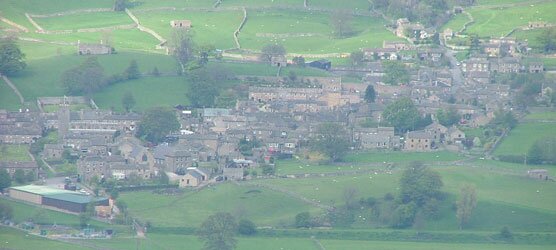
Why is the Historic Environment Important to Communities?
The historic environment can have a positive influence on a wide range of local activities including regeneration, housing, education, economic development and community engagement. It can also contribute towards the achievement of the shared priorities agreed between central and local government, because:
- Reusing the historic environment, particularly buildings, lies at the heart of creating sustainable communities.
- The historic environment adds value to regeneration projects.
- The historic environment is a proven source of employment and helps underpin the local economy.
- An attractive environment can assist in attracting external investment as well as maintaining existing businesses of all types, not just tourism-related.
- People are immensely proud of their local history. Surviving heritage, even if hidden below ground, is synonymous with local identity. People don’t always express how much they value a place until it is threatened. Heritage is a fundamental element that contributes towards local character and distinctiveness.
- The historic environment is a powerful focus for community action.
- Outcomes such as increased community cohesion and greater social inclusion can be achieved through a renewed focus on the historic environment. Involving communities at a grass roots level in their local heritage can be a vital medium in bringing communities together through a shared understanding of their diverse histories.
- The historic environment is a local educational resource for people of all ages. For example, archaeological remains can be used to explain the history of a place and the communities that have lived there, so helping to make people feel at home.
- The historic environment has an important place in local cultural activities.
Local environments that are understood and valued tend to be better looked after than those that are not linked to communities, and can help to foster
civic responsibility and citizenship. This in turn can have positive implications for anti-social behaviour problems and community well-being. The historic environment contributes to everybody’s
quality of life.